

In the Autumn and Winter months, around 1 in 20 people in the US experience Seasonal Affective Disorder, making them feel more anxious, depressed and fatigued for around 40% of the year.
Is there a natural solution for this super common problem?
In this post, we’ll talk about the three current treatments for SAD, the pros and cons of each, and why nutrient therapy is my first choice for preventing and relieving those winter blues. At the end of the post, I’ll teach you exactly what nutrients your brain needs to naturally boost serotonin, so you can feel happy, calm, joyful and relaxed all winter long- sunshine or rain.
What is Seasonal Affective Disorder?
‘Seasonal Affective Disorder’ is a syndrome that causes depressive episodes that occur seasonally, usually during the fall and winter months. The term was coined in 1984 by Dr. Norman E. Rosenthal, a psychiatrist and researcher who observed many of his patients had worse depression in winter, but found their moods would improve with light therapy or traveling to a sunnier location. Symptoms include appetite changes, sleep disturbances, lack of energy and depression. Studies show SAD is linked to low levels of serotonin. (1)
So why does less sunlight cause worse moods for some people? There are a few main reasons for this:
Sunlight helps trigger the brain’s release of serotonin (1)
Most of our vitamin D (important for mood health) actually comes from sunlight exposure
Sunlight sets your circadian rhythm and sleep/wake patterns for good sleep, mood and energy
If you already tend toward moderately low levels of serotonin year-round, your serotonin can dip much too low when that mood-boosting sunlight decreases in autumn and winter.
Symptoms of Low Serotonin
Serotonin is a chemical messenger in the brain and body that regulates our mood and keeps us calm, optimistic and grounded.
With depression or anxiety caused by low serotonin (in this case triggered by less sunlight), you’ll likely feel negative, worried, anxious, irritable and often really, really low. You might feel extra critical of yourself, can’t let things go, or ruminate and worry about every little thing.
What it feels like:
depression worse in winter
feeling negative, hopeless, really low
anxiety/panic attacks/phobias
feeling worried or fearful
afternoon sugar cravings or binge eating, especially at night
PMS, irritability
anger, rage or aggression (road rage, sudden angry outbursts)
excessive self-criticism
insomnia, being a night owl
ruminating thoughts, intrusive thoughts
OCD symptoms
thoughts involving self-harm
fibromyalgia, TMJ, pain syndromes, body aches
headaches/migraines
digestive issues
Traditional Treatments For SAD
There are currently three main treatments for SAD. Treatments include light therapy, psychotherapy (especially cognitive behavioral therapy), and antidepressant medications like bupropion. I’m going to list the pros and cons of each one before going into how I approach this in my wellness practice:
1. Light Therapy
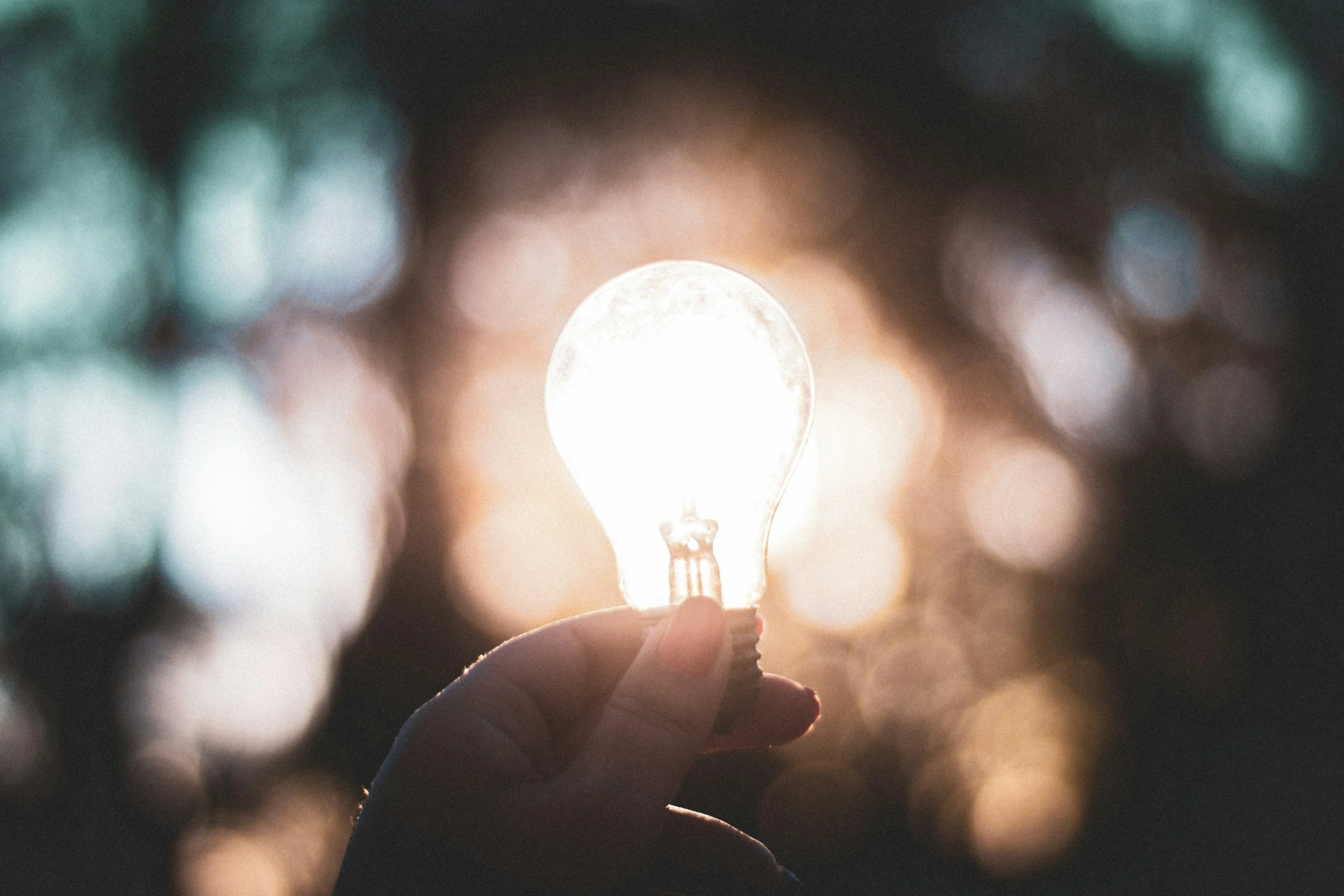
Light Therapy is often the first place treatment starts, typically involving exposure to a bright light box for about 30 minutes each morning. Lightboxes work by mimicking natural sunlight, which helps regulate mood and circadian rhythms. They seem to have a high effectiveness rate, and only take about a week for people to typically notice improvements.
Pros: Lightboxes aren’t super expensive (You can buy one for around $49.99 on my Fullscript) and can even be used on your desk while you work. I like that it’s a natural therapy and that they help your body-clock stay balanced, even in the darker months.
Cons: It’s not a reliable way to boost serotonin levels directly. It might also be a little inconvenient to have to remember to use it for 30 mins daily for 3-5 months every year.
You can buy a good lightbox here at a 5% discount.
2. Medication
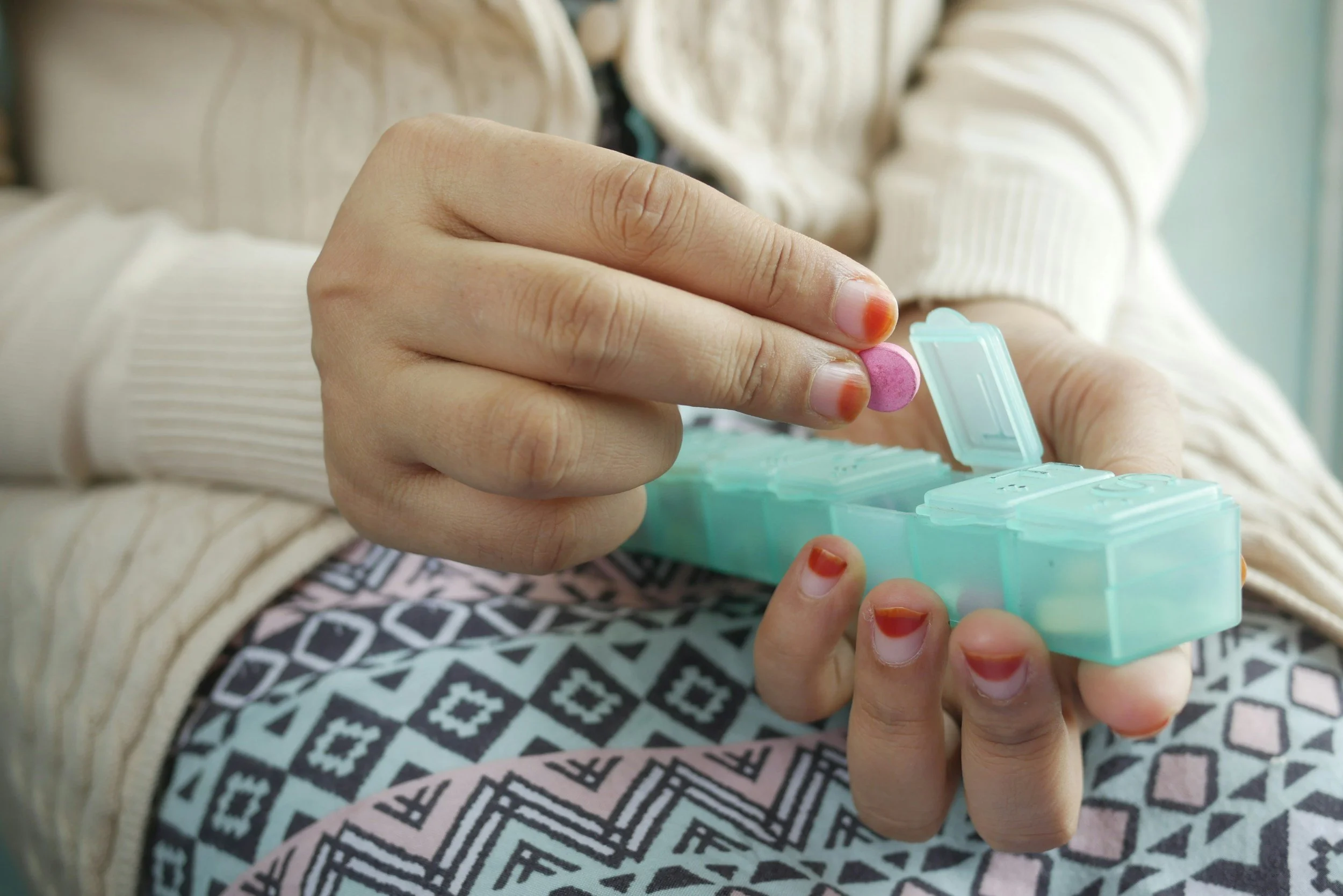
Medications will be the first or second recommendation for SAD treatment from your prescriber or psychiatrist. Combining meds with lightboxes is a common treatment.
Pros: Meds like SSRI’s can keep serotonin circulating in the body longer than normal to help ease depression or anxiety from SAD.
Cons: SSRI’s don’t technically add more serotonin, they just circulate your current levels for longer (2). Antidepressants can take weeks to start working. You might be switched several times to different medications, while your prescriber tries to decide which one is working best for you. This can take months. Depending on which type used, they can be hard to get off of (especially benzo’s). The types most often used for Seasonal Affective Disorder can cause a lot of side effects such as nausea, diarrhea, headache, dizziness, dry mouth, drowsiness, difficulty sleeping, unwanted mood changes, weight changes, and decreased libido.
3. Psychotherapy
The studies I found on psychotherapy or Cognitive Behavioral Therapy for Seasonal Affective Disorder seemed to always include bright light therapy. For depression that’s linked to decreased sunlight, I wonder how effective talk therapy alone would be in resolving the actual underlying problem (low serotonin).
Pros: Talk therapy and cognitive behavioral therapy can be wonderful. Having a compassionate, knowledgeable professional who can support your healing journey is always a plus!
Cons: I don’t believe that talk therapy alone can directly boost low serotonin levels linked to decreased sunlight in the brain and body.
My Favorite Therapy For Low Serotonin Symptoms From SAD
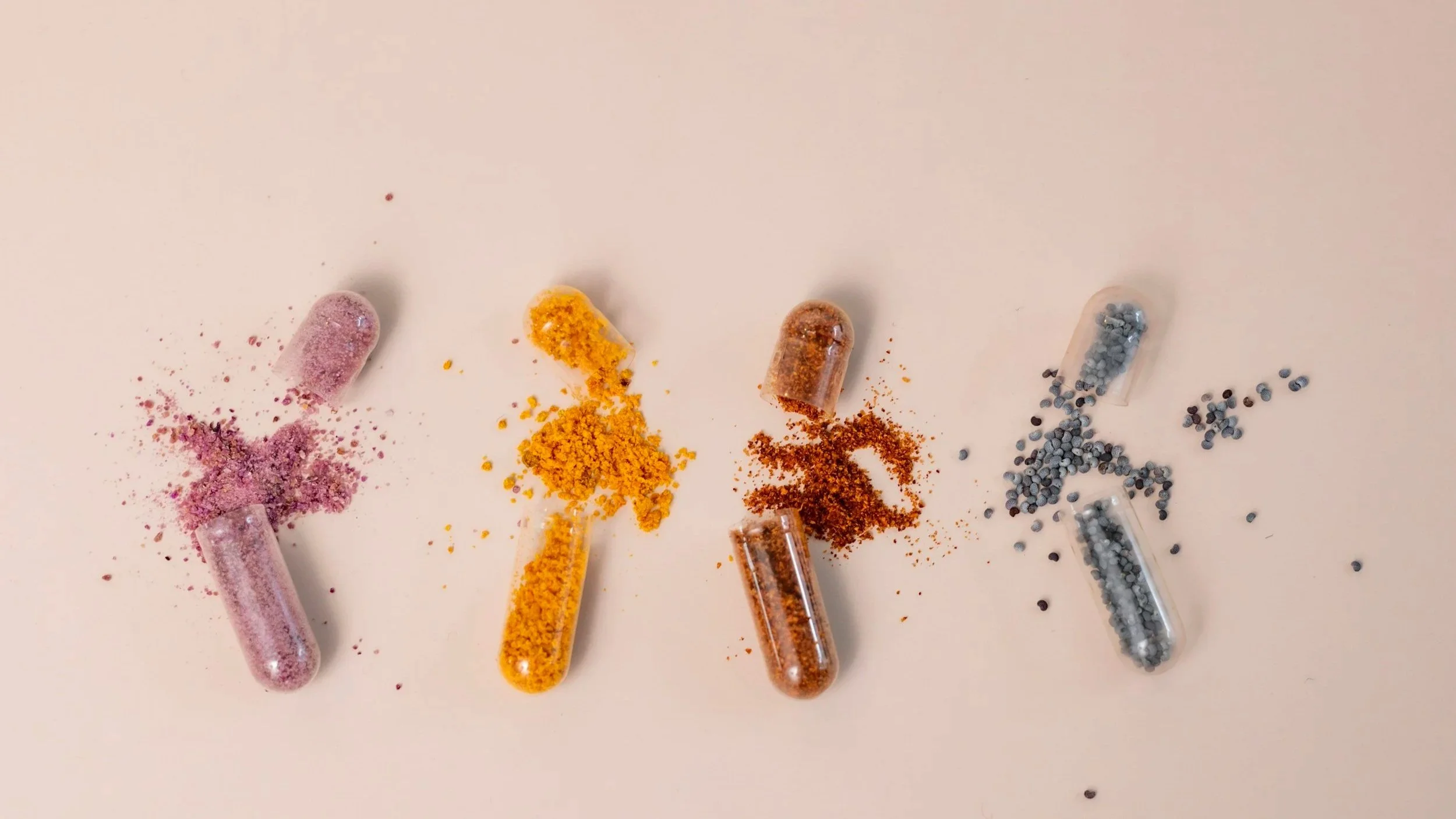
Amino Acid Practitioners have been helping their clients prevent and relieve SAD for decades. Tryptophan was actually first used to successfully treat depression back in the 70’s, and was popular until mood medications started becoming widely marketed by pharmaceutical companies.
Pros: Your body knows exactly what to do with amino acids, because they’re derived from protein. Amino Acid Therapy is a 100% natural, nutrient-based therapy designed to relieve depression, anxiety, mood swings, cravings, and even addictions.
Cons: If you don’t like taking supplements or powders, this might not be a good therapy for you. There are just a few contraindications for some of the amino acids and certain conditions, and of course you do need to be careful when combining supplements with some medications etc.
Amino acids will start working immediately, so you don’t have to wait weeks or even days to know if it’s going to help you. You can open a capsule of tryptophan onto your tongue and feel within 1-5 minutes if it’s helpful for you. (I walk you through the exact steps of trialing aminos in my free mood-healing guide)
2 Nutrients To Boost Serotonin Naturally:
To support low serotonin symptoms like anxiety, depression and negative thoughts, we use l-Tryptophan or 5-HTP. These two amino acids are the direct precursors to making serotonin in the body. The goal is to provide the natural building blocks your brain needs to start making plenty of serotonin. You may only need to take these for a few months, eventually lowering your daily dose until your mood feels wonderful without them.
Typical Dosing Guide:
5-HTP: 50-150mg of 5-HTP, twice daily, midmorning, or midafternoon (can take with food)
Tryptophan: 500-1,500mg tryptophan twice daily, midafternoon and bedtime (away from food)
Always start at the lowest dose (1/4 to 1/2 capsule) and slowly titrate up from there.
After supplementing, you should begin feeling less depressed or anxious, experience less negative thoughts and notice lighter and brighter moods. Some people do better with tryptophan and others do better with 5-HTP. You don’t need to take both at once.
I usually suggest someone work up to their personal optimal dose (where you feel your symptoms are 100% relieved), and stay there for a few weeks to a few months until they can skip a dose and still feel amazing. Typically that’s 2-6 months on amino acid therapy.
*Important Contraindications: I wouldn’t recommend taking these if you’re on a medication that also increases levels of serotonin, like an SSRI or MAOI (because you don’t want levels of serotonin to become too high). It’s best to do so only when working with a practitioner who understands amino acid therapy and drug interactions, and can get the go-ahead from your prescriber. In that case, you’ll want to take these supplements 4-6 hours away from taking your serotonin-targeted medications.
Mood + emotional freedom with holistic mental wellness coaching
If you’re feeling more depressed or anxious in the autumn or winter months, it’s likely linked to low serotonin levels. If you’d like to learn what’s driving your mood and emotional symptoms and how to balance them with amino acid therapy, download my eBook here:
And if you’re looking for a holistic, individualized approach to getting your mental health unstuck for good, just book an intro coaching call with me below!
xx,
Annika
MEDICAL DISCLAIMER:
This post is for educational and informational purposes only and solely as a self-help tool for your own use. I am not providing medical, psychological, or nutrition therapy advice. You should not use this information to diagnose or treat any health problems or illnesses without consulting your own medical practitioner. Always seek the advice of your own medical practitioner and/or mental health provider about your specific health situation. For my full Disclaimer, please go to https://www.nourishedbynature.co/disclaimer
References:
1: Serotonin and SAD: https://www.nimh.nih.gov/health/publications/seasonal-affective-disorder
2: SSRI’s and serotonin recirculation: https://goodhealthpsych.com/blog/does-ssri-increase-serotonin/