
Not All Depression Is the Same: Amino Acids For The 3 Types (part 2)

If you haven’t already read part 1 of this blog series, which explains the 3 depression-types in detail, you can read it HERE.
How To Address Each Depression-Type
In part 1, we learned about the 3 main depression types and how to identify them. In this post, we’re going to go over the nutrients your body needs to boost those low brain chemicals.
Amino acid therapy has been around for 40+ years and has helped thousands of adults, teens and kids resolve their anxiety, depression and mood issues, safely and naturally. It’s been the most impactful therapy I’ve ever experienced in supporting my own emotional and mental well-being, and my clients still blow me away with the wonderful results they get taking aminos.
This natural therapy matches your exact symptoms to the corresponding nutrients needed to boost your moods. It’s a science, but this post will make it easy to learn and use at home.
(We’re only talking about 3 of the 5 Mood Types today, because they’re the ones most associated with depression.)
How to Buy Amino Acids
Amino acids are isolated nutrients from protein, the precursors to making neurotransmitters. Our body literally can’t make feel-good brain chemicals without them! Once you correctly start rebuilding those low stores, you’re going to start feeling those bad moods fade.
You can buy amino acids at your healthfood store and online. Here is a link to my Fullscript account where I put all the amino acids that I use together so they’re easy to find.
Remember to read the contraindications, and of course please don’t add new supplements before checking with your own health practitioner, especially if you’re on medications like SSRI’s and MAO inhibitors.
The Amino Acid Solutions For Each Depression-Type
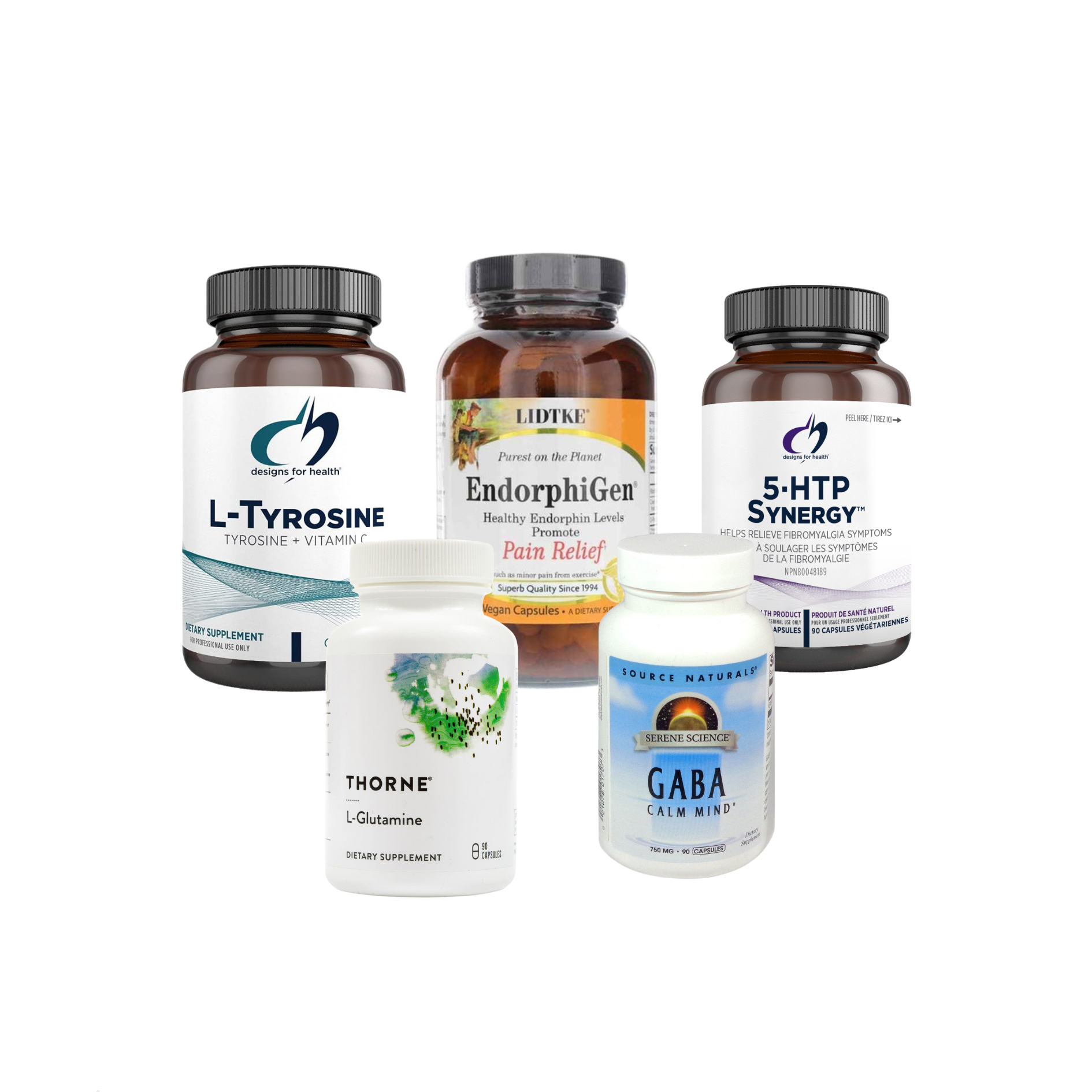
Finding the right dose:
Here’s a general how-to for safely trying amino acids.
Open up your chosen amino acid capsule (start with 1/4th to half cap) onto your tongue, let it absorb for about 30 seconds, and note your improvements within the next 1-4 minutes. Drink a little water to wash it down if needed.
If no improvements in mood, take another half, until you find your optimal dose (usually 1-3 capsules, 2-3 times a day).
*If you have a negative reaction, open up 1-2 ,000mg of vitamin C in to a little water, and drink it to quickly stop any negative reactions (like a headache, or feeling jittery.) Go back down to the dose that didn’t give you a reaction, or skip that amino acid altogether.
Although amino acids are safe and natural, they can still interact with certain medications. Make sure you read the contraindications before trying any amino acids, and check first with your health practitioner if on medications or have a health concern.
Take the Mood Questionnaire: You can take the Mood-Type questionnaire in my eBook HERE to determine your Mood-Types and severity levels. Taking the questionnaire will help you know which Mood-Type needs your immediate attention, and which ones are not as urgent.
Low Serotonin: 5-HTP & Tryptophan
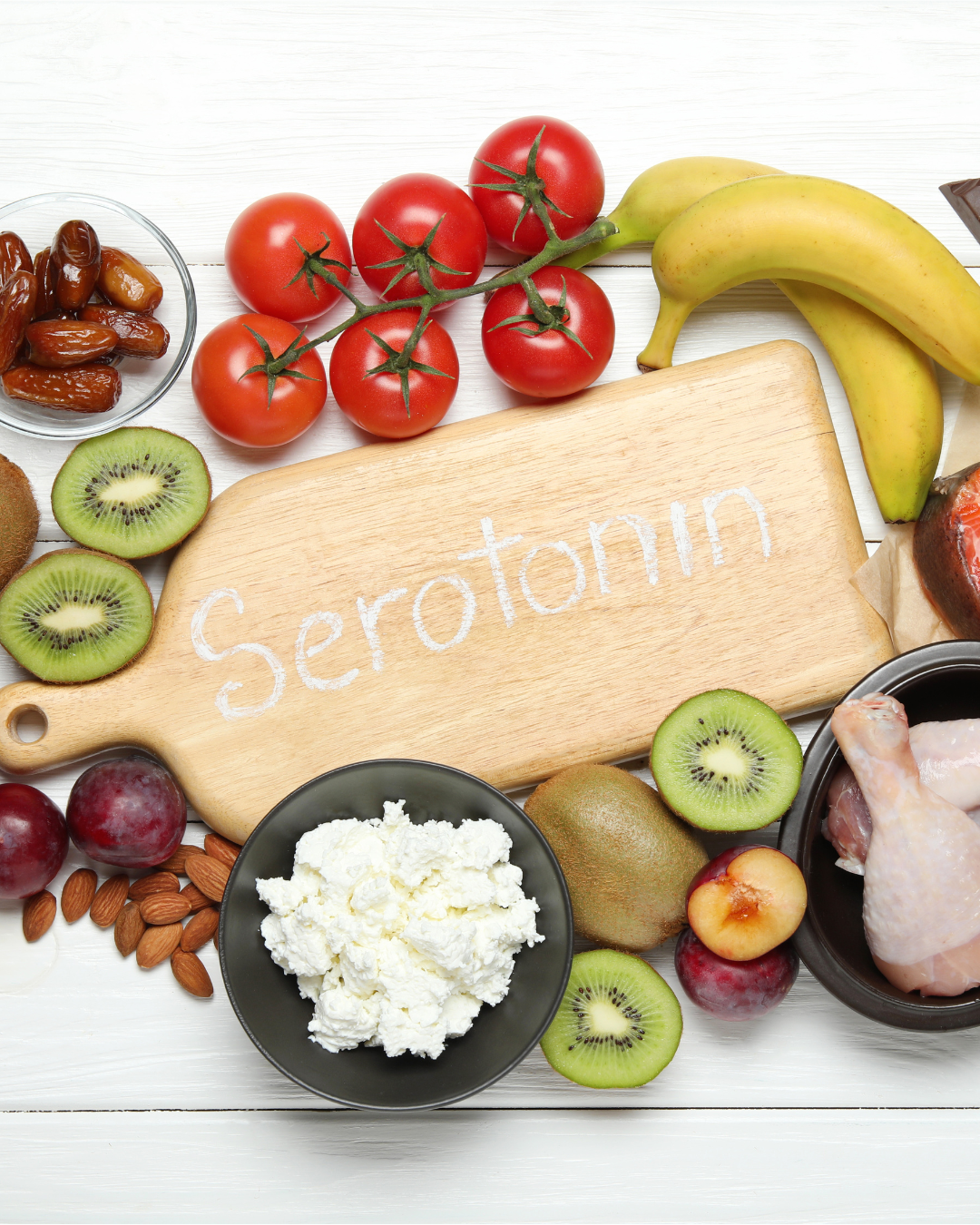
To support low serotonin symptoms like anxiety, depression and negative thoughts, we use tryptophan or 5-HTP. These two amino acids are the direct precursors to making serotonin in the body.
After supplementing, you should begin feeling less anxious, experience less negative thoughts and lighter and brighter moods. Some people do better with tryptophan and others do better with 5-HTP. You don’t need to take both at once.
*Typical dosing:
5-HTP: 50-150mg of 5-HTP, twice daily, midmorning, or midafternoon (can take with food)
Tryptophan: 500-1,500mg tryptophan twice daily, either on waking and at midmorning, or midafternoon and bedtime
Always start at the lowest dose (1/4 to 1/2 capsule) and slowly titrate up from there.
Contraindications: These can both interfere with mood medications, so don’t take these if you’re on an SSRI or MAOI, unless you’re working with a practitioner who understands amino acid therapy and drug interactions and can get the go-ahead from your prescriber. You’ll want to take these supplements 5-6 hours away from taking your serotonin-targeted medications.
Low Catecholamines: Tyrosine
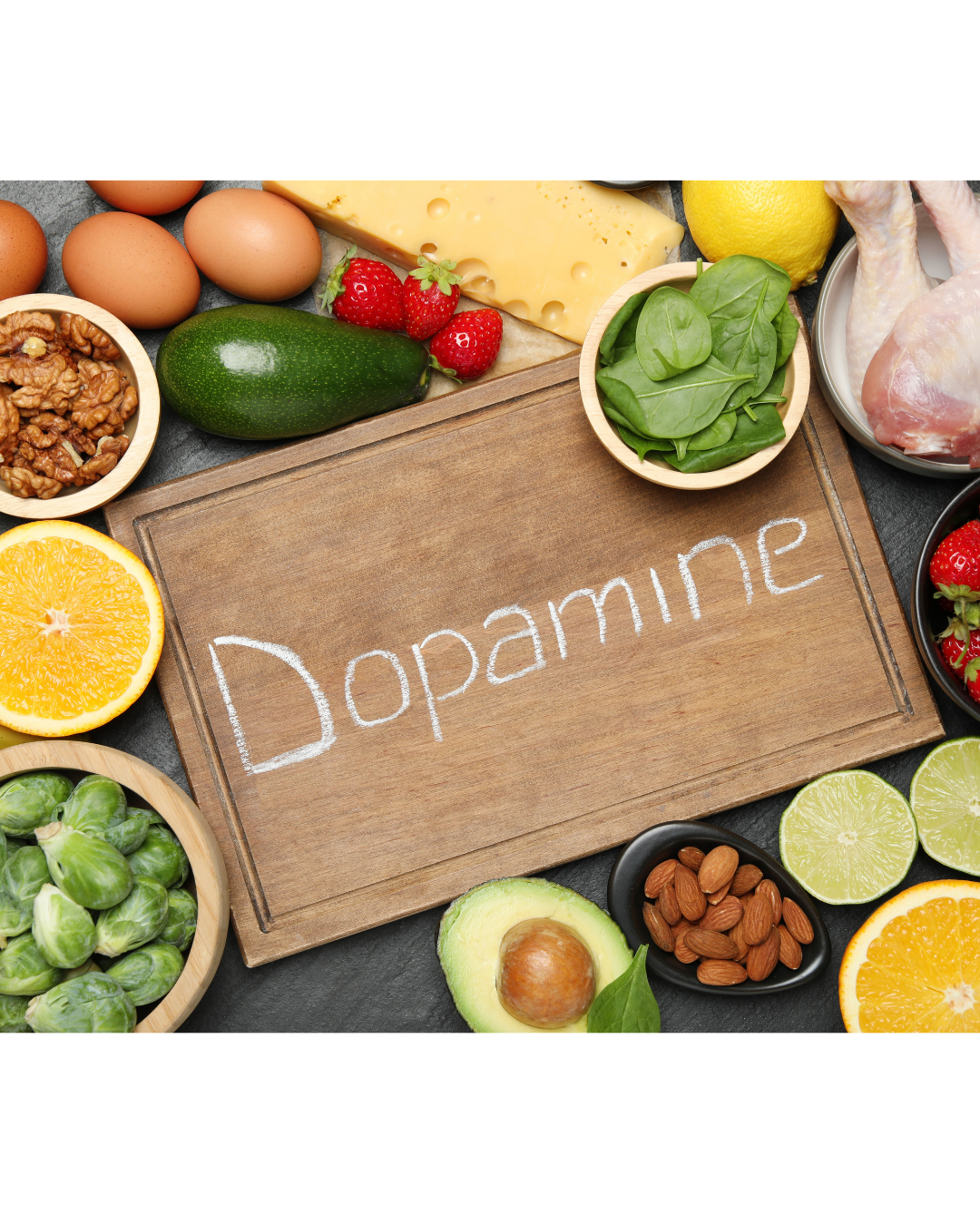
To address low catecholamines (including dopamine), we use l-Tyrosine, or Tyrosine for short. Tyrosine is used in the body to produce thyroid hormones and make dopamine and adrenaline.
After supplementing, you should notice you feel more focused, energized and enjoy brighter moods and motivation.
Typical dosing: 500-1,500mg of Tyrosine 1-3 times daily, away from protein meals. Always start at the lowest dose (1/4 to half capsule) and slowly titrate up from there over a few days to find your ideal dose.
*You may need extra thyroid and adrenal support as well if you have symptoms of low thyroid or adrenal fatigue. It’s a good idea to run a Hair Tissue Mineral Test to assess your body’s stress levels.
Contraindications: Not recommended if you have Grave’s disease/overactive thyroid, Phenylketonuria (PKU), melanoma, high blood pressure, migraine headaches, or bipolar diagnosis. Take last dose before 3pm if you have insomnia, since it helps increase adrenaline.
Low Endorphins: DPA & DLPA

There are two types of amino acids for supporting low endorphins, DPA and DLPA (D-Phenylalanine and DL-Phenylalanine.)
These amino acids help reduce pain by blocking enzymes that break down endorphins.
I’d suggest starting with DPA, as people often get better results with it. Supplementing with either DPA or DLPA can quickly turn off your intense cravings for comfort foods, while supporting and balancing your emotions. Sometimes one works better than the other, so I’ve included both options below. You don’t need both at once.
Typical dosing:
DPA (I like ‘Endorphigen’ by Lidke Technologies) : 500 to 1,500mg 3 times a day, before breakfast, lunch and dinner
DLPA: 500-1,500mg 3 times daily, before breakfast, mid morning and midafternoon (can more energizing because it can help make catecholamines, take away from bedtime)
An amino acid blend with all 9 essential amino acids can be helpful for a few months too, while you support endorphin building
Contraindications: If you have insomnia don’t take DLPA after 3pm, as it’s more stimulatory. Both types not recommended if you have Grave’s disease/overactive thyroid, Phenylketonuria (PKU), melanoma, high blood pressure, migraine headaches, or bipolar 1.
I’m hoping that now you’ll feel much more confident in identifying and addressing low moods with nutrient therapy. I deeply understand how overwhelming it can feel to find real strategies (that actually work!) for you or a loved one. There is SO much information out there, a lot of it conflicting.
If you have questions about amino acids or alternative holistic mental wellness, feel free to message me on my contact page.
Ready to get to the real root-cause of the anxiety, mood swings and depression in just a few weeks? Book a free 20-min intro call with me to get started and learn how amino acid therapy can help you!
DISCLAIMER:
This post is for educational and informational purposes only and solely as a self-help tool for your own use. I am not providing medical, psychological, or nutrition therapy advice. You should not use this information to diagnose or treat any health problems or illnesses without consulting your own medical practitioner. Always seek the advice of your own medical practitioner and/or mental health provider about your specific health situation. For my full Disclaimer, please go to https://www.nourishedbynature.co/disclaimer