
Not All Depression Is the Same: Understanding the 3 Types (part 1)

Depression isn’t one-size-fits-all. While depression is often treated as a single condition, many people experience symptoms for very different reasons.
Imbalances in brain chemistry can create distinct patterns of depression, each with its own set of symptoms and nutritional support strategies.
Each depression pattern has unique symptoms and solutions.
(You can take the Mood-Type questionnaire in my eBook HERE to determine your Mood-Types and severity levels)
1. Low Serotonin: “Under a Dark Cloud”
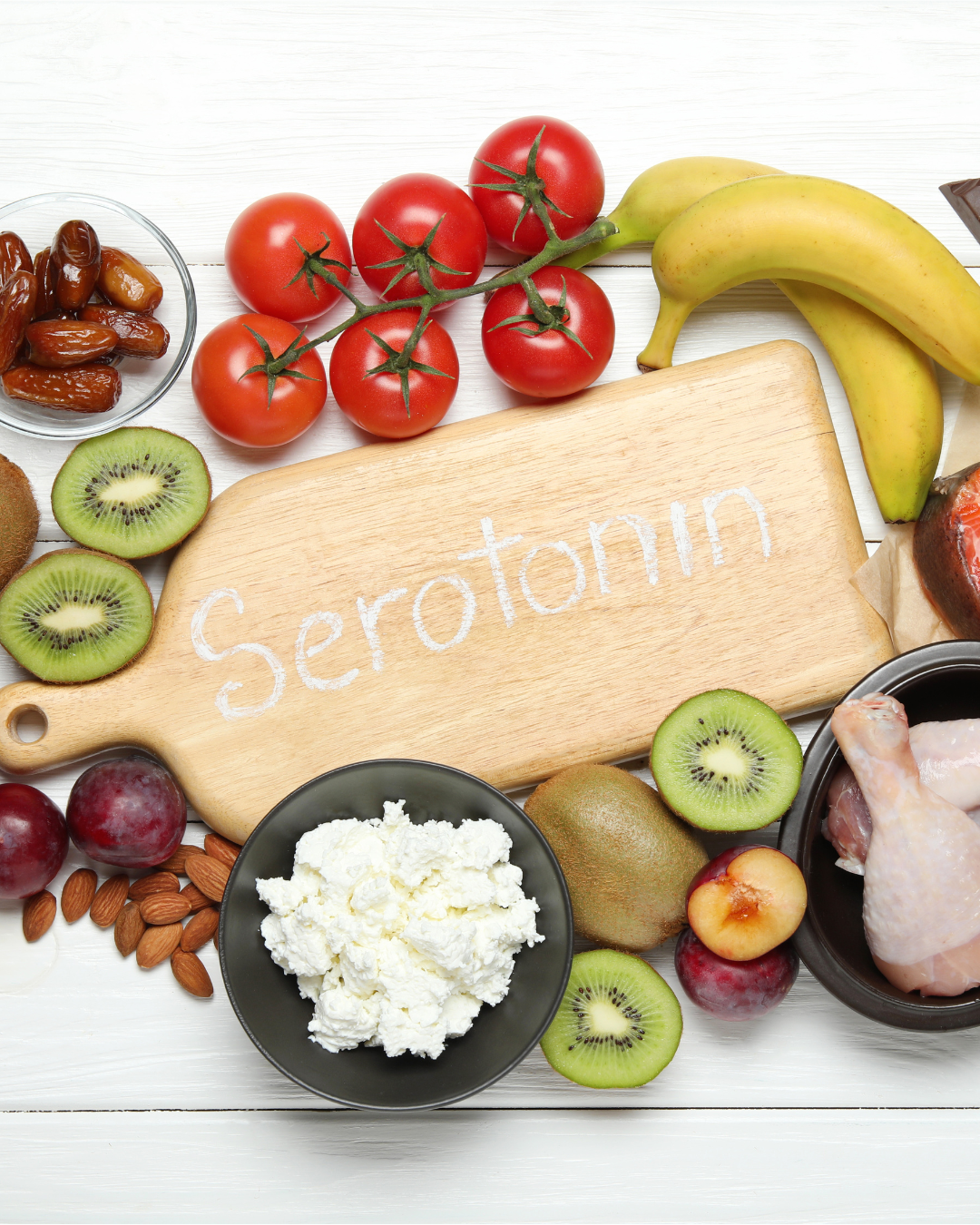
In her book ‘The Mood Cure', holistic psychologist Julia Ross refers to the low serotonin depression-type as being “Under a Dark Cloud”. And it certainly feels that way.
Serotonin is a chemical messenger in the brain and body that helps regulate our mood and keeps us feel calm, optimistic and grounded. It also supports normal digestion and sleep. Serotonin is mainly produced in the gastrointestinal tract, so things like gut infections or leaky gut can really impact this mood chemical.
With low serotonin-type depression, you’ll likely feel negative, worried, anxious, hopeless, irritable and often really, really low. You might feel extra critical of yourself, can’t let things go, or ruminate and worry about every little thing. Life can feel like just a little bit too much. You might also tend towards feeling worse in the winter or on a cloudy day, or even when the sun goes down, since your body uses sunlight to make serotonin!
What it feels like:
depression
anxiety/panic attacks/phobias
feeling worried or fearful
feeling really negative, ‘glass half-empty’
afternoon sugar cravings or binge eating, especially at night
PMS, irritability
anger, rage or aggression (road rage, sudden angry outbursts)
excessive self-criticism
insomnia, being a night owl
ruminating thoughts, intrusive thoughts
OCD symptoms
depression worse in winter
thoughts or actions involving self-harm
fibromyalgia, TMJ, pain syndromes
headaches/migraines
digestive issues
2. Low Dopamine & Catecholamines: “Suffering from the Blahs”
The second depression-type is caused by low catecholamines. Catecholamines are chemical messengers produced by the nerve tissues, adrenal glands and brain. The main catecholamines are dopamine, epinephrine (adrenaline), and norepinephrine (noradrenaline).
When you have robust catecholamine levels, you’ll feel energetic, upbeat, and engaged. Catecholamines give us that zest, focus, motivation, purpose, and excitement about life. However, things like chronic, ongoing stress can really deplete catecholamine levels in the body, leaving you feeling very ‘BLAH’.
Ever experience that flat, apathetic-type depression? Maybe along with it, you have low motivation and focus issues. You kind of feel like you’re wading through molasses just to get through your day. You don’t have a lot of capacity for, well, anything. That’s low catecholamines!
What it feels like:
Depression with apathy
feeling easily bored or flat
Low on energy, physical or mental. Have to push yourself to exercise
Needing a lot of sleep, slow to wake in the mornings
Lack of focus
Low thyroid or adrenal function
Brain feels scattered and you feel unorganized
ADHD symptoms
Lack of drive and low motivation
Indecisiveness and procrastination
Craving carbs, alcohol, caffeine or stimulants like recreational drugs for energy
3. Low Endorphins: “Too Sensitive to Life’s Pain”
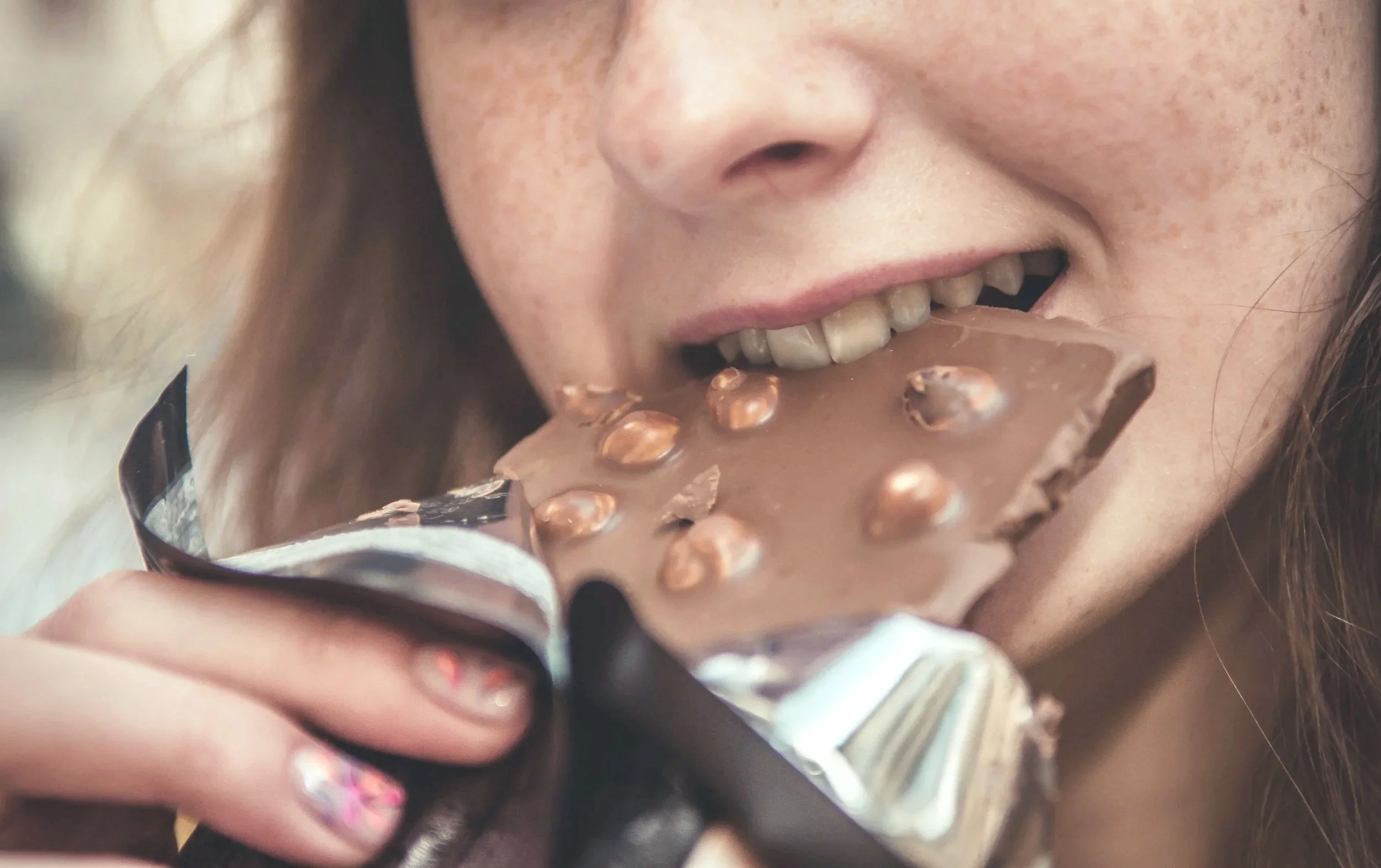
The third depression-type is linked to low levels of endorphins. Endorphins are our body’s natural pain-killers. If your levels of endorphins are normal, you’ll feel a general sense of well-being. Endorphins feel like a big warm hug. A ‘runner’s high’ is attributed to the release of endorphins from exercising.
The main function of endorphin molecules is to inhibit the transmission of pain signals in the nervous system. The secondary role they have is to produce a feeling of euphoria that is very similar to what we experience when using other opioids (2).-Dr. Jockers’ blog
Low endorphins can make us tear up easily, feel more intolerant to pain and feel sad for ‘no reason’. You might notice that you really gravitate towards certain foods like chocolate or wine to help comfort that extra pain you’re feeling, whether mental or physical. Endorphins can drop before your period too, increasing the teariness and low moods of PMS.
What it feels like:
Sensitivity to emotional pain
Sensitivity to physical pain
Often feeling lonely and sad
Crying or tearing up easily
Really hard to recover from loss or move through grieving
Eating to soothe your mood, or comfort eating
Really, REALLY loving or craving certain foods (like desserts, wine, chocolate) behaviors, drugs or alcohol (because they can temporarily boost endorphins)
Craving a reward or a numbing treat
Next Steps
Are you beginning to recognize any of the symptoms from the different Mood-Types in yourself or a loved one?
You might have found that you have more severe symptoms in one depression-type than another (really low serotonin but moderately low endorphins for example), and that’s super common.
Having a mix of two or all three of the depression types won’t be a problem, because we can address them all with Amino Acid Therapy!
(You can take the Mood-Type questionnaire in my eBook HERE to better determine your Mood-Types and severity levels)
Check Out Part 2 To Learn More!

At this point, most online health articles will give you a long list of activities that can help boost serotonin, catecholamines or endorphins. Things like meditation. Exercise. Dark chocolate.
I think this is interesting information, but if you’re trying to heal your moods at the root level, trying a million different health hacks is a totally inefficient strategy. At least, in my opinion.
What if instead, you could match your symptoms to the correct mood-type (or types), then use a few targeted (and 100% natural) food—based nutrients to rebuild your depleted brain chemicals? That’s why I love Amino Acid Therapy!!
Go to Part 2 where you’ll learn which nutrients to take for each Depression-Type
In the second part of this blog post, we'll take the next step by exploring the targeted amino acid solutions recommended for each depression type, how they work to support healthy brain chemistry, and how they can be used safely as part of a personalized nutrition plan.
If you have questions about amino acids or alternative holistic mental wellness, feel free to message me on my contact page.
Ready to get to the real root-cause of the anxiety, mood swings and depression in just a few weeks? Book a free intro call with me to get started and learn how amino acid therapy can help you!
DISCLAIMER:
This document is for educational and informational purposes only and solely as a self-help tool for your own use. I am not providing medical, psychological, or nutrition therapy advice. You should not use this information to diagnose or treat any health problems or illnesses without consulting your own medical practitioner. Always seek the advice of your own medical practitioner and/or mental health provider about your specific health situation. For my full Disclaimer, please go to https://www.nourishedbynature.co/disclaimer